sfDBT Accredited Dialectical Behavioural Therapist and HCPC registered Occupational Therapy service
Sensory Processing
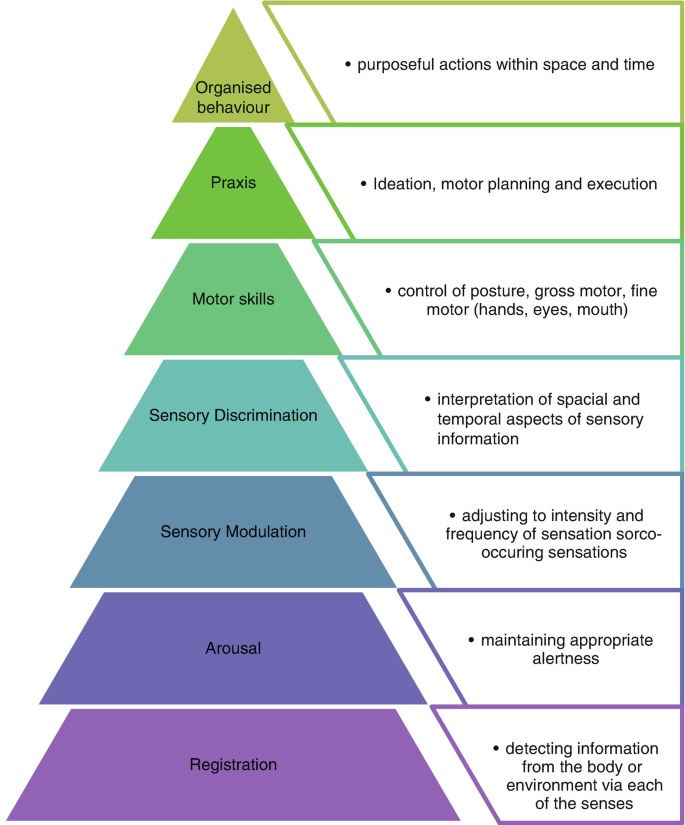
Sensory processing describes how your brain receives, organises, and responds to information from your environment and your body. This includes touch, movement, sound, vision, taste, smell, and internal cues such as hunger, pain, and emotional arousal. When sensory information is overwhelming, muted, or difficult to interpret, it can affect how you feel, how you behave, and how you understand yourself.
Why Sensory Processing Differences Happen
Sensory processing differences can be shaped by neurodivergence, developmental experiences, trauma, stress, or simply the way your nervous system is wired. They are not “faults” or “failures” — they are patterns in how your brain filters and prioritises information. When these patterns create overload or confusion, they can impact emotional regulation, executive functioning, daily living skills, and your sense of identity.
Impact on Emotional Regulation
Your sensory system and emotional system are closely linked. When sensory input feels too intense or unpredictable, emotions can escalate quickly. When sensory input is under‑responsive, it can be harder to notice early signs of distress or to stay connected to your environment. Understanding your sensory profile helps you recognise triggers, soothe your nervous system, and build steadier emotional responses.
Impact on Executive Functioning
Executive functioning relies on a regulated nervous system. Sensory overload or sensory seeking can affect planning, organisation, attention, impulse control, and transitions. Many people describe feeling “foggy,” “stuck,” or “chaotic” when their sensory needs aren’t met. Mapping these patterns helps you understand why certain tasks feel harder and how to support your brain to work at its best.
Impact on Daily Living (ADLs)
Sensory processing influences everyday activities — from getting dressed to cooking, commuting, working, or socialising. Textures, sounds, movement, and routines can either support or disrupt your ability to complete tasks. Identifying sensory barriers allows us to adapt environments, build supportive habits, and make daily life feel more manageable and predictable.
Impact on Sense of Identity
Many people feel misunderstood or “out of step” when their sensory experiences differ from those around them. This can shape confidence, relationships, and how you see yourself. Exploring your sensory profile helps you understand your needs without shame, and supports a more grounded, compassionate sense of identity — especially for those navigating neurodivergence or long‑standing patterns of emotional sensitivity.
How I Help as an Occupational Therapist
As an HCPC‑registered Occupational Therapist trained in Ayres’ Sensory Integration, I help you understand how your sensory system influences your emotions, routines, and daily functioning. Together we explore your sensory profile, identify patterns, and develop practical strategies that support regulation, focus, and comfort. This may include environmental adaptations, sensory‑based coping tools, and personalised routines that fit your life.
Sensory Processing Training
I offer structured sensory processing assessment and intervention to help you:
- Understand your sensory strengths and challenges
- Reduce overwhelm and shutdown
- Improve emotional regulation and executive functioning
- Build supportive daily habits
- Strengthen your sense of identity and self‑understanding
This work is collaborative, gentle, and grounded in evidence‑based occupational therapy practice.
How This Links With Dialectical Behaviour Therapy
As an Accredited Dialectical Behaviour Therapist, I integrate sensory‑based approaches with DBT’s structured, skills‑focused model. Sensory processing differences often sit underneath difficulties with distress tolerance, emotion regulation, and interpersonal effectiveness. By combining DBT with sensory‑informed OT, we can address both the “why” and the “how”:
- Why certain emotions escalate
- Why certain behaviours repeat
- How your sensory system shapes your experience
- How to build skills that genuinely work for your nervous system
This dual approach supports meaningful, sustainable change.